Buddhism - General Category

Aśoka | the Buddhist Emperor

Aśoka (ca. 300-232 BCE.), the 3rd and most powerful of the Mauryan emperors who once dominated the Indian subcontinent (4-3rd centuries BCE), figures centrally in historical as well as legendary accounts of the early Buddhist community’s transformation into a world religion. Aśoka’s landmark reign (c. 268-232 BCE) laid structural foundations for subsequent South Asian imperial formation and his memory has continued to inspire and shape

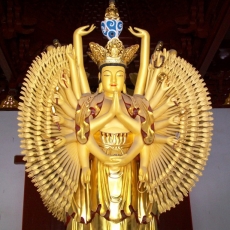
Avalokiteśvara Bodhisattva

Avalokiteśvara, a Bodhisattva especially associated with the principle of compassion, is the most popular figure in the pan-Asian Mahāyāna Buddhist pantheon: Worshiped and invoked in both male and female forms, Avalokiteśvara is considered a potent saviour in times of life-threatening dangers, who watches over all beings and heeds their cries of suffering and distress. He responds directly to the pleas of those in great need.

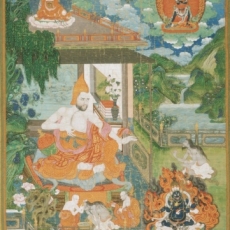
Bhāviveka | Life

Bhāviveka (c. 490-570 CE), also known as Bhavya or Bhāvaviveka - was an Indian Buddhist philosopher and historian, and founder of the Svātantrika-Madhyamaka School: As all of Bhāviveka’s works are lost in the original Sanskrit and preserved only in Tibetan translations, the scholarly world came to know of him only through Candrakīrti (c. 580-650 CE), who refuted Bhāviveka’s position in the 1st chapter of the

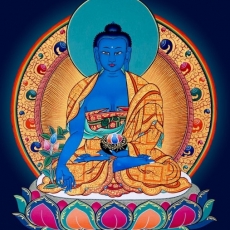
Bhaiṣajyaguru | Healing Buddha

Bhaiṣajyaguru, the Buddha named Master of Healing, is an important member of the Mahāyāna Buddhist pantheon. He has been worshiped predominantly in East and Central Asian traditions of Buddhist practice. Concepts of healing played a fundamental role in early Buddhism: Śākyamuni Buddha was sometimes given the epithet “supreme physician,” and the Buddhist teachings were termed the “king of medicines” for their ability to lead beings

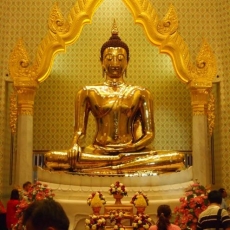
Theravada Buddhism | Introduction

Theravada Buddhism comes from the teachings of the Buddha, who lived in the 5th century B.C.E. The Theravada (School of the Elders, in the Pali language) is the sole surviving branch of the earliest Buddhism. Its primary emphasis was on monastic life, with the single goal of individual Liberation through Enlightenment, until the early 20th century, when it became more widely available. Laypeople practice generosity
Pages