Philosophy on God & Religion

Śrīvacana Bhūṣaṇa | Piḷḷai Lokācārya

Piḷḷai-lokācārya who preferred a solitary and tranquil residence moved to a temple of Lord Narasiṁha in the outskirts of Śrī Raṅgam and it was here that he delivered discourses on Dharma to all who would listen. He taught in a very simple and skilful manner which is reflected in his writings. Piḷḷai-lokācārya opposed all differences based upon, caste, gender, nationality etc. He exemplified the doctrine

Confession | Leo Tolstoy

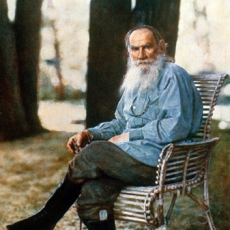
Leo Tolstoy (9 September 1828 – 20 November 1910) or as we also know him - Count Lev Nikolayevich Tolstoy – was a famous Russian writer and novelist at first, a cult figure in Russia and also in the world; But in his later years – he became also well known as spiritual and religious seeker, pacifist philosopher and educator; his role and influence may

What I believe | Leo Tolstoy

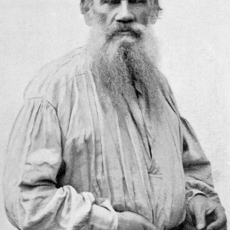
In his book What I believe Leo Tolstoy introduces the doctrine of non-violence as based on the Christ’s teachings and commandments in Gospel and Bible, as they have revealed themselves to Leo Tolstoy and how these teachings and the new-found understanding and light can give a real meaning of life and happiness to people – and influence the world - not only some abstractly imagined

Plato (c. 428 – 348 BC) | Dialogues

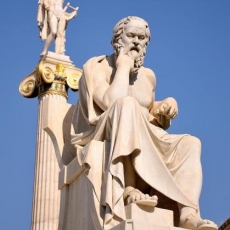
Plato (c. 428 – 348 BC) | Dialogues | Index. Here you can read online the works of one of the most influential and important Philosopher of the Ancient Greece Plato. Without studies of Plato it may be very difficult to understand later Western Idealistic philosophies, including those of Christianity and especially those of Eastern Orthodox Christianity - they all have developed under influence of

Plato | Life and Legends

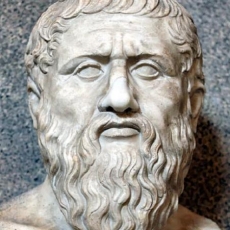
Plato | Life and Legends ca. 428– 348 BC. PLATO was born at Aegina in B.C. 430, the same year that Pericles died of a noble family which traced its descent from Codrus (ca 1089–1068 BC), the last hero -king of Attica. Little is told us of his early years beyond some stories of the divinity which hedged him in his childhood, and a dream

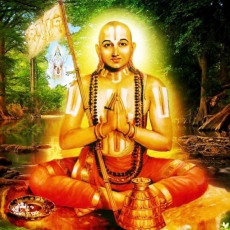
Philosophy of Rāmānujācārya

What has been attempted is only the presentation of Rāmānuja’s views on important points with just so much reference to the doctrines of Śaṅkara, as is necessary to understand Rāmānuja. Enough has, however, been said to show that Rāmānuja and his system, though not possessing the, simplicity or universality of Śaṅkarācārya’s, is yet an eminently sound one, compatible with an admission of the reality of